42" dog crate
Right-sized for a large dog, cozy not cramped.
View pick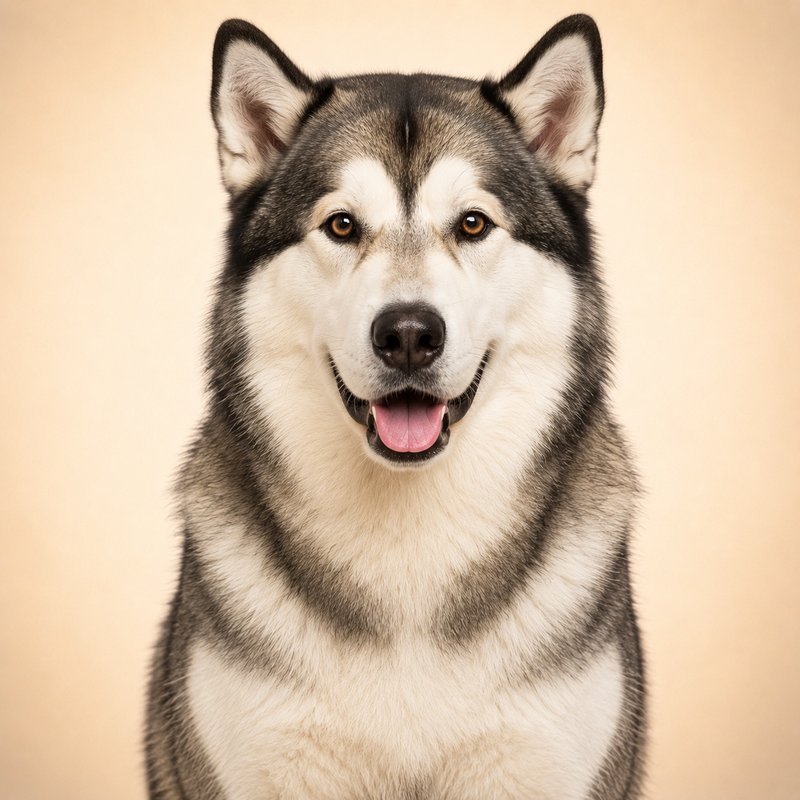
Powerful arctic freighter with a wolfish look
The Alaskan Malamute is a large, powerful sled dog built to haul heavy freight across long arctic distances. Affectionate and outgoing with its family, it is strong-willed, independent, and needs an experienced owner who can provide firm leadership and plenty of exercise.
The breed was developed thousands of years ago by the Mahlemut Inupiaq people of northwestern Alaska to pull heavy sleds and hunt large game such as seals and polar bears. Prized for endurance rather than speed, the Malamute was the freight engine of the far north.
Start socialization and obedience early, as this intelligent but independent breed will test boundaries. Use patient, consistent, positive methods and avoid harsh corrections, since Malamutes respond poorly to repetitive drilling.
The thick double coat needs brushing two or three times a week, increasing to daily during the twice-yearly shedding seasons. They are naturally clean dogs that groom themselves and need only occasional baths.
Feed a high-quality diet measured to maintain a lean, athletic build, as the breed can gain weight without enough activity. Split the daily amount into two meals to reduce the risk of bloat.
Plan for at least one to two hours of vigorous daily activity such as long walks, hiking, running, or pulling work. A bored, under-exercised Malamute will dig, chew, and howl.
Generally hardy but prone to hip dysplasia, hypothyroidism, inherited polyneuropathy, and eye conditions such as cataracts. Bloat is also a risk in this deep-chested breed.
Fun fact. Three Alaskan Malamutes were part of Admiral Byrd's expeditions to Antarctica, and the breed is the official state dog of Alaska.
A few breed-right basics for a new Alaskan Malamute.
Right-sized for a large dog, cozy not cramped.
View pickJoint support, sized to a large frame.
View pickTames heavy shedding fast.
View pickJoint and growth support for big dogs.
View pickThese are affiliate links. We may earn a commission at no extra cost to you. It never changes what we recommend.